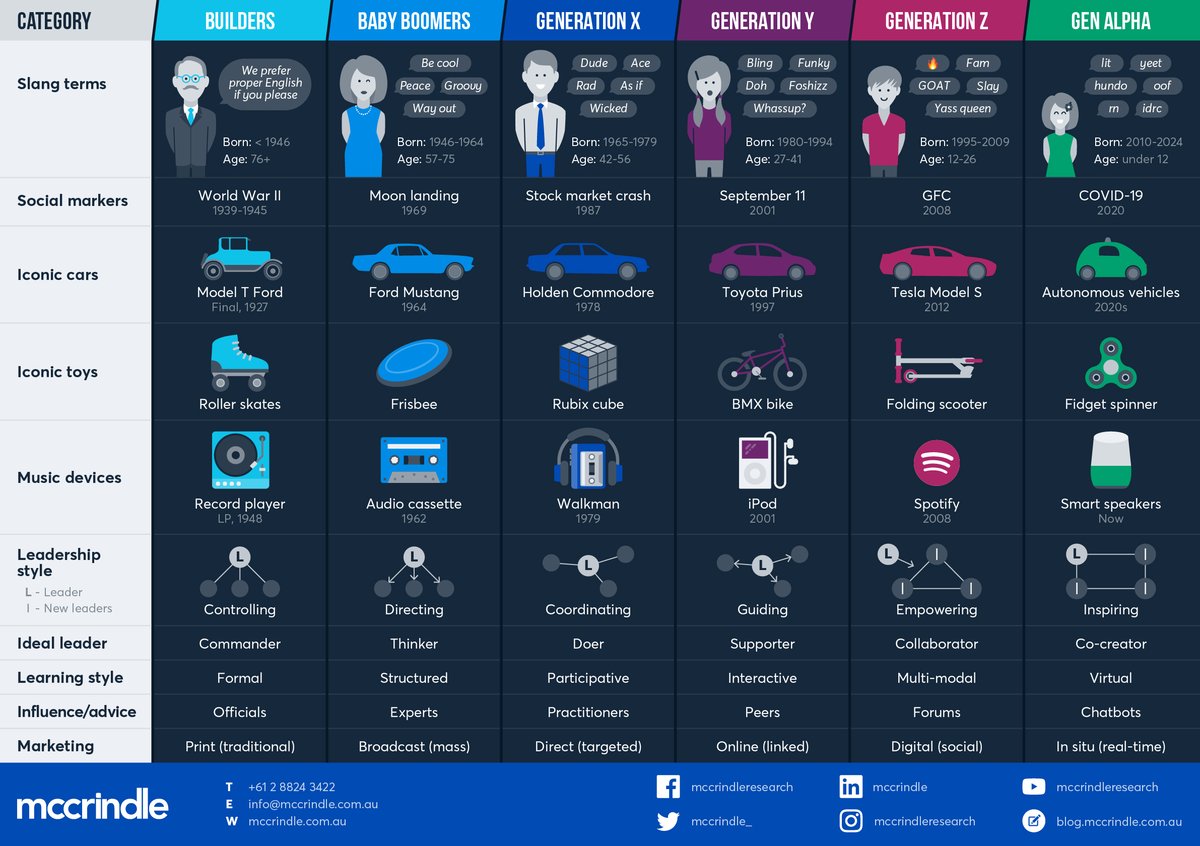
Understanding the Fabric of Our World: Characteristics and Trends Defining the Latest Generations
Think about the sheer diversity of experiences shaping the people around you. From the wisdom of those who lived through defining historical moments to the boundless digital fluency of the youngest among us, each generation brings a unique lens to the world. Decoding the "Characteristics and Trends Defining the Latest Generations" isn't just an academic exercise; it's essential for fostering empathy, enhancing communication, and building stronger teams and communities. These distinctions, rooted in shared formative experiences, are critical for navigating our fast-evolving social and professional landscapes.
At a Glance: Generational Differences
- Generations are shaped by shared historical, technological, and economic contexts. They are not monoliths, but broad groups with common tendencies.
- Values shift across generations: From duty and loyalty to flexibility and purpose.
- Technology is a fundamental differentiator, creating "digital natives" and "digital immigrants."
- Workplace expectations vary widely: From career advancement to work-life balance and social impact.
- Understanding these differences unlocks better communication, collaboration, and innovation.
The Generational Divide: More Than Just Birth Years
Generations aren't just arbitrary slices of time; they represent groups of individuals born within a specific 15-20 year timeframe who share pivotal formative experiences. Imagine growing up during a world war versus growing up with a smartphone in your hand – these vastly different realities create distinct attributes, values, communication styles, and behaviors.
These unique imprints are forged by a powerful mix of factors: major historical events, rapid technological advancements, profound economic shifts, the ever-increasing interconnectedness of globalization, and evolving societal norms. Understanding these distinctions isn't about pigeonholing individuals, but about appreciating the diverse perspectives that make up our society and, crucially, our workplaces.
The Elders: Wisdom and Resilience
Let's begin with the generations that laid the groundwork for today's world, offering invaluable lessons in resilience and dedication.
The Silent Generation (Born 1928-1945)
- Their Defining Era: Growing up during the tumultuous Great Depression and World Wars, this generation experienced profound economic hardship and global conflict firsthand. Scarcity was a reality, and survival often depended on collective effort.
- Core Values and Traits: Shaped by these experiences, the Silent Generation embodies traditional values, a powerful work ethic, and an unwavering sense of duty. They prioritize family, community, security, and loyalty—often to their employers, demonstrating remarkable adaptability through immense societal changes.
Baby Boomers (Born 1946-1964)
- Their Defining Era: Emerging from the shadow of war, Baby Boomers grew up during a period of post-war prosperity, widespread social change, and booming consumerism. They were the first to truly engage with a world of increasing material abundance.
- Core Values and Traits: Optimism, a strong individualistic spirit, and a work-centered approach define them. Many were deeply involved in significant social movements, like civil rights and gender equality, pushing for change while also valuing structured environments and career advancement. They often define themselves by their jobs and are loyal and dedicated.
- Communication Style: Boomers generally prefer traditional methods like face-to-face conversations, phone calls, and formal meetings.
- Consumerism: Loyal to established brands, they value quality and consistency in their purchases.
- Activism & Growth: They often prioritize traditional paths to success, focusing on career building and community service, finding personal growth through dedication and hard work.
- Technology Adoption: They experienced technology as a gradual integration, viewing the internet primarily as a tool for information rather than a constant companion.
The Bridge Builders: Independence and Pragmatism
These generations often serve as crucial connectors, navigating between traditional and digital worlds.
Generation X (Born 1965-1980)
- Their Defining Era: Gen X experienced significant societal changes, including rising divorce rates and economic challenges. They were the "latchkey generation," often growing up with less adult supervision, which fostered a deep sense of self-reliance. They navigated the early stages of the technological revolution, from analog to digital, and witnessed corporate downsizing, leading to a degree of institutional skepticism.
- Core Values and Traits: Independence, a pragmatic outlook, and self-reliance are hallmarks. They value work-life balance, flexibility, and informality, often prioritizing results over strict adherence to hours.
- Work Ethic: Often described as having a "work hard, play hard" mentality, they seek efficiency and autonomy.
- Communication Style: Gen X comfortably embraces both digital and traditional methods, appreciating clear, concise messages, often via email.
- Consumerism: Pragmatic consumers, they meticulously weigh quality against cost and thoroughly research products before buying.
- Activism & Growth: They foster independence in their personal growth, investing in self-care and continuous education, often supporting causes that enhance personal freedom.
- Technology Adoption: They adapted significantly to the digital revolution, becoming proficient with emails and other digital communication methods.
The Digital Natives: Purpose and Connectivity
These younger generations have grown up immersed in technology, shaping a worldview defined by instant information, global awareness, and a strong sense of purpose.
Millennials (Generation Y) (Born 1981-1996)
- Their Defining Era: Millennials grew up alongside the internet, witnessing explosive technological growth. They were old enough to remember 9/11 and its aftermath, and observed Gen X's pursuit of work-life balance. As the most populated generation, they now form the majority of today's workforce.
- Core Values and Traits: Characterized by tech-savviness, digital fluency, and a comfort with social media. They are highly value-driven, prioritizing social justice, environmental sustainability, and inclusivity. They seek meaningful work, flexibility, and often prioritize passion and purpose over salary. Progressive and empathetic, they integrate moral values into their professional lives.
- Work Ethic: Often summed up as "work hard, play harder, but try to only work where you can see yourself play." They seek purpose in their roles and expect employers to support social causes.
- Communication Style: They favor instant messaging, social media platforms, and readily use emojis and GIFs, reflecting a more casual and immediate tone.
- Consumerism: They seek brands aligned with their values, prioritizing sustainability and social responsibility, and supporting companies that give back.
- Activism & Growth: With a strong inclination towards activism, they actively engage in social movements, leveraging technology to spread awareness and mobilize action.
- Technology Adoption: As true digital pioneers, they grew up with the internet and are proficient with a vast array of digital tools and platforms.
Generation Z (Born 1997-2012)
- Their Defining Era: The first cohort to grow up entirely in the digital age, Gen Z has no memory of a pre-internet world. They experienced the proliferation of social media, global economic crises (2007-2009), the escalating climate emergency, and the economic fallout from COVID-19. They are often called the "first global generation" due to their access to diverse perspectives and a global community from a young age.
- Core Values and Traits: Deeply understanding of technology, with a strong need for authenticity. Many possess an entrepreneurial mindset, aiming to start their own businesses or freelance. Highly attuned to social issues, they advocate fiercely for equity and change. They prioritize mental health, open communication, stability, balance, professional growth, collaboration, autonomy, and flexibility (especially remote work).
- Work Ethic: Value stability, innovation, and remote work options for better work-life integration. They look for roles that offer clear pathways for professional development.
- Communication Style: Favor visual communication (images, videos), short, engaging messages, using platforms like TikTok and Instagram as primary channels.
- Consumerism: Heavily influenced by social media and peer reviews, they demand authenticity and prefer brands that genuinely engage with social issues and maintain an ethical stance.
- Activism & Growth: They take a proactive approach to activism, leveraging social media to mobilize and advocate for environmental and social justice issues globally.
- Technology Adoption: As true digital natives, online interaction is second nature to them, from learning to socializing to shopping.
The Future Generations: Alpha and Beyond
As technology continues to accelerate, the lines between our physical and digital worlds blur further, profoundly shaping the youngest generations.
Generation Alpha (Born 2013 onwards)
- Their Defining Era: Poised to be the most technologically immersed generation, Alphas are being shaped by unprecedented advancements in AI, virtual reality, and evolving educational models from birth. They are truly the children of the 21st century's technological boom.
- Expected Traits: Expect deep integration of technology, with smart devices influencing every aspect of their learning and social interactions. They will likely have incredibly diverse experiences due to global connectivity and are expected to lead future trends in digital communication, sustainability, and innovative thinking.
Generation Beta (Follows Generation Alpha)
- While still on the horizon, Generation Beta is expected to be even further embedded in digital experiences, potentially interacting with AI and virtual environments as seamlessly as previous generations interacted with television. The ways we categorize and name these groups continue to evolve; for a fascinating look at how these labels emerge, you might want to Explore new generation nicknames.
Navigating a Multi-Generational Workplace: Actionable Insights
Today's workforce is a vibrant tapestry, often encompassing five distinct generations: Traditionalists (Silent Generation), Baby Boomers, Generation X, Millennials, and Generation Z. This multi-generational landscape presents both challenges and immense opportunities.
The Power of Generational Diversity
Don't view generational differences as hurdles; see them as superpowers. Diverse age groups bring a richer mix of experiences, skills, and perspectives that can significantly enhance collaboration, adaptability, and innovation. Imagine the seasoned wisdom of a Traditionalist combined with the fresh, tech-savvy insights of a Gen Zer – that's a powerful combination. Traditionalists and Boomers offer invaluable experience, institutional knowledge, and stability, while younger generations bring fresh perspectives, digital fluency, and an eagerness to challenge the status quo.
Leveraging Differences for Collective Success
- Build Mixed-Age Teams: Intentionally establish diverse, mixed-age teams for projects. This drives innovation by combining different thought processes, enhances cross-generational learning through informal mentorship, and ensures all employees feel valued for their unique contributions.
- Tailor Workplace Policies: A "one-size-fits-all" approach no longer works. Tailor workplace policies and benefits to motivate each group. For instance, offering flexible hours or remote work benefits younger generations who often prioritize work-life balance and job satisfaction over strict adherence to traditional work structures. Meanwhile, Boomers might value robust retirement plans or professional development opportunities.
- Support Through Economic Changes: Provide targeted support during economic shifts. Upskill younger employees with new technologies and provide mentorship opportunities from experienced workers, allowing them to transfer invaluable wisdom and knowledge. This bidirectional learning strengthens the entire organization.
- Embrace Diverse Leadership Styles: Recognize and embrace a spectrum of leadership styles. While Traditionalists may be accustomed to hierarchical structures, Millennials and Gen Z often thrive in participative environments where their input is valued. Fostering an inclusive environment that values input from all levels and generations cultivates a stronger, more engaged workforce.
- Bridge the Technology Gap: Technology's impact on work environments is undeniable, with AI and remote work transforming how we operate. Younger generations typically adapt quickly to AI integration and new digital tools. Older generations, however, offer critical experience in problem-solving and strategic thinking that can guide the effective, ethical integration of these new tools. Provide training and support that caters to different comfort levels, encouraging peer-to-peer learning where digital natives can assist others.
Communication: The Universal Connector
Understanding preferred communication styles is paramount for effective interaction:
- Boomers & Gen X: Often prefer direct, professional communication. For Boomers, that might mean a phone call or in-person meeting. For Gen X, a concise email is often appreciated.
- Millennials: Comfortable with a mix, often preferring instant messaging for quick updates and emails for more formal discussions. They appreciate a more casual, personalized tone.
- Gen Z: Thrive on visual communication – short videos, images, and highly engaging content on platforms like TikTok and Instagram. When communicating professionally, they appreciate clarity and brevity, often preferring messaging apps over lengthy emails.
By adapting your communication approach to these preferences, you can ensure your message resonates and fosters stronger relationships across all age groups.
Beyond the Labels: Seeing the Individual
While understanding generational characteristics and trends provides a powerful framework, it's crucial to remember that these are broad generalizations. Each individual is unique, shaped by a myriad of personal experiences that extend beyond their birth year. Generational insights are tools for better understanding, not rigid boxes for categorization. They offer a starting point for empathy, allowing us to anticipate different perspectives and adapt our approaches in communication, collaboration, and leadership.
The true value lies in using this knowledge to build more inclusive, adaptable, and innovative environments where everyone feels understood, valued, and empowered to contribute their best. By embracing the rich tapestry of experiences that each generation brings, we can collectively navigate the complexities of our rapidly changing world with greater success and harmony.