It's more than just a label on a birth certificate; understanding how generations get their names, their origins, and their cultural impact offers a profound lens through which we view society, economy, and even our own identities. These names — from the stoic Silent Generation to the digitally native Gen Z — aren't arbitrary. They're powerful shorthand, encapsulating shared experiences, technological revolutions, and the defining moments that forge a collective worldview.
But who decides these names? And what makes one group a "generation" while another is just a demographic slice? Let's unpack the fascinating journey of generational nomenclature and its far-reaching influence.
At a Glance: Decoding Generational Labels
- Generations are defined by shared experiences: Groups born roughly 15-30 years apart, shaped by similar historical events, technologies, and social trends during their formative years.
- Names aren't official decrees: Social scientists, demographers, marketers, and writers observe trends and coin terms that resonate and stick.
- Key factors in naming: Major historical events (wars, depressions), technological advancements (internet, smartphones), cultural shifts (social movements), and economic conditions.
- Major generations covered: Silent Generation, Baby Boomers, Generation X, Millennials, Generation Z, and Generation Alpha.
- Understanding generations is crucial: It improves communication, informs policy, refines marketing strategies, and helps us preserve social history.
- Boundaries are fluid: Generational traits can overlap, and transitions are gradual, not abrupt.
What's in a Name? Demystifying Generational Labels
Imagine growing up during a world war, ration books, and a deep sense of national unity. Now imagine coming of age with a smartphone permanently affixed to your hand, global warming a daily news item, and social media shaping your entire social landscape. These vastly different realities create vastly different people, even if they're only a few decades apart. That's the essence of a generation: a cohort of individuals, typically born within a 15- to 30-year timeframe, who share similar life experiences, cultural touchstones, and societal trends that profoundly shape their outlook, habits, and values.
These collective experiences are so powerful that they mold a generation's perspective on everything from work ethic and financial stability to relationships and technology. The names we assign them become more than just descriptors; they become cultural markers, loaded with stereotypes, insights, and sometimes, a little bit of generational angst.
The Architects of Our Collective Identity: Who Names Generations?
Contrary to popular belief, there isn't a single "Generational Naming Committee" that convenes to brand each new cohort. Instead, the process is far more organic, almost evolutionary. These labels emerge from a confluence of observers:
- Social Scientists and Demographers: Researchers studying population trends, societal shifts, and human behavior are often the first to identify distinct patterns in age groups. They might use terms like "post-war generation" or "internet generation" in their academic work.
- Marketers and Brand Strategists: Always keen to understand consumer behavior, marketers track trends and attitudes across age groups to better target their products and messages. They're highly influential in popularizing terms that encapsulate a generation's spending habits, media consumption, and aspirations.
- Journalists and Cultural Commentators: Writers, columnists, and media personalities play a crucial role in bringing these observations into the public lexicon. They simplify complex sociological concepts into catchy, memorable names that capture the zeitgeist of a particular era.
A generational name "sticks" when it effectively encapsulates the dominant experiences, behaviors, and perspectives of that group and gains widespread acceptance in popular culture. It’s a process of observation, articulation, and then societal adoption. Think of it as a collective agreement that, "Yes, that term truly reflects them."
The Building Blocks: Factors That Forge a Generation's Name and Character
Generational names aren't just plucked out of thin air. They're often direct reflections of the forces that shaped a particular cohort's formative years. These factors serve as the bedrock for a generation's identity:
Major Historical Events
Wars, economic depressions, significant social movements, or political upheavals leave indelible marks on those who experience them during their impressionable years. The sheer weight of these events dictates a generation's collective psychology and priorities.
- Example: The Silent Generation was forged in the crucible of the Great Depression and World War II. Their name reflects a pragmatic, cautious nature, born from scarcity and a need for conformity during uncertain times.
- Example: Baby Boomers were named for the sheer explosion in birth rates following World War II, a period of newfound peace and economic prosperity that signaled a fundamental shift from the preceding era of hardship.
Technological Advancements
The devices, platforms, and digital landscapes available during one's childhood dramatically influence communication styles, learning methods, and even brain development.
- Example: Millennials were originally dubbed "Generation Y" but gained their enduring name because they came of age around the new millennium, a time when the internet moved from novelty to everyday utility. They were the first generation to grow up with personal computers, email, and the burgeoning World Wide Web as integral parts of their lives.
- Example: Generation Z is inherently tied to the smartphone and social media revolution, making them the first truly "digital native" generation who have never known a world without instant connectivity.
Media and Literary Influence
Books, television shows, movies, music, and now, streaming content and social media trends, create shared cultural narratives and aspirations.
- Example: Generation X was partly named by author Douglas Coupland in his 1991 novel Generation X: Tales for an Accelerated Culture. The "X" signified an unknown, an unwillingness to be categorized, reflecting a cohort that felt overlooked or cynical compared to their Boomer predecessors, coming of age with MTV and a burgeoning alternative music scene.
Economic Conditions
The financial landscape during a generation's adolescence and early adulthood — recessions, booms, housing crises, job markets — profoundly impacts their career paths, financial goals, and attitudes towards wealth and security.
- Example: Millennials entered the workforce during significant economic downturns (the 2008 financial crisis), facing student debt, a competitive job market, and rising housing costs, which shaped their cautious approach to finances and preference for experiences over material possessions.
- Example: Generation Alpha is growing up in a world grappling with the aftermath of a global pandemic and unprecedented discussions around inflation and economic stability, which will inevitably shape their future financial behaviors.
A Deep Dive: Tracing the Lineage of Modern Generations
Understanding the "how" requires looking at the "who." Let's explore the major generations that define our contemporary world, recognizing that these dates are fluid and often debated, serving more as guideposts than rigid boundaries. You'll find that these names aren't just labels; they tell a story about the era that birthed them. For a deeper dive into the latest trends in generational nomenclature, you might find Your guide to new generation nicknames incredibly illuminating.
The Silent Generation (1928-1945)
- Origins: Born amidst the Great Depression and World War II, this generation's childhoods were defined by scarcity, global conflict, and a strong sense of national duty.
- Defining Traits: Known for their pragmatism, resilience, and a tendency to avoid controversy. They valued hard work, loyalty, and conformity. Public service and civic duty were paramount. Many carried a profound sense of responsibility and often prioritized stability and security above all else.
- Cultural Impact: They were the backbone of post-war recovery, quietly rebuilding economies and institutions. They often prioritized their families and communities, living through immense societal change while maintaining a relatively stoic demeanor.
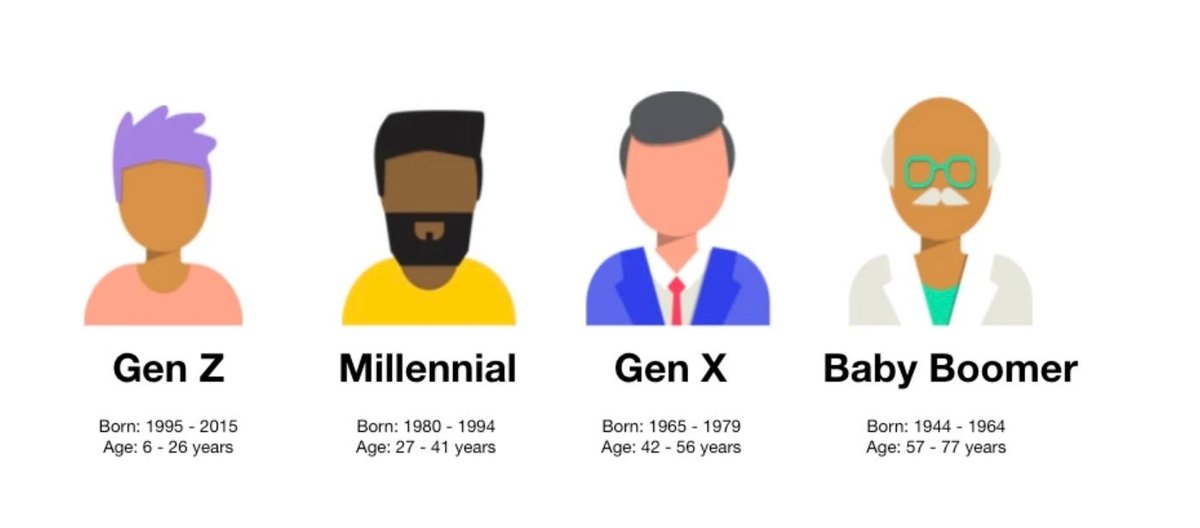
Baby Boomers (1946-1964)
- Origins: The name comes directly from the unprecedented "baby boom" that followed the end of World War II. Soldiers returned home, economies flourished, and birth rates soared.
- Defining Traits: This generation came of age in a time of relative prosperity and optimism, leading them to question established norms and engage actively in social and political movements. They were instrumental in shaping the cultural landscape of the 1960s and 70s.
- Cultural Impact: Boomers led movements for civil rights, feminism, environmental protection, and anti-war protests. They challenged authority, redefined family structures, and drove significant cultural shifts in music, fashion, and lifestyle. As they aged, they also influenced politics and consumer markets, often being seen as the generation that "had it all."
Generation X (1965-1980)
- Origins: The "X" in their name signifies an unknown or undefined factor, reflecting a perceived ambiguity or reluctance to be categorized. Coined by photographer Robert Capa in the 1950s but popularized by Douglas Coupland's 1991 novel, it captured a generation feeling somewhat adrift between the towering Boomers and the emerging digital age.
- Defining Traits: Often characterized by independence, self-reliance, and a healthy skepticism toward authority. Many grew up as "latchkey kids" with dual-income households, fostering adaptability and resourcefulness. They witnessed the rise of personal computers, cable TV, and the early internet.
- Cultural Impact: Gen X brought grunge music, independent films, and a more cynical, anti-establishment attitude into the mainstream. They are often seen as bridging the gap between analog and digital worlds, becoming pioneers in early tech adoption while maintaining a grounded, less-optimistic view of institutions than their predecessors.
Millennials (1981-1996)
- Origins: Initially known as "Generation Y" (following X), they were definitively named "Millennials" because they reached adulthood around the turn of the new millennium (the year 2000). Authors William Strauss and Neil Howe are largely credited with coining and popularizing the term.
- Defining Traits: Grew up immersed in technology, social media, and the internet as an everyday part of life. They are considered tech-savvy, socially conscious, and tend to value experiences over material possessions. They often entered the workforce during economic downturns, influencing their financial behaviors and career paths.
- Cultural Impact: Millennials revolutionized communication, ushered in the age of social media influencers, and pushed for greater diversity, inclusion, and work-life balance in the workplace. They are often associated with collaborative work cultures, a global outlook, and a desire for purpose-driven careers.
Generation Z (1997-2012)
- Origins: Following the alphabetical naming convention (after "Y"), Generation Z is often referred to as "iGen," "Centennials," or "Zoomers."
- Defining Traits: The first true "digital native" generation, having grown up with smartphones, high-speed internet, and social media from a very young age. They are highly connected, globally aware, open-minded, and quick to adapt to new trends. They exhibit a strong awareness of social and global issues, from climate change and mental health to equality and social justice.
- Cultural Impact: Gen Z drives trends on platforms like TikTok and Instagram, champions authenticity, and is often more entrepreneurial than previous generations, leveraging digital tools to create their own paths. Their purchasing decisions are heavily influenced by ethical considerations and brand values.
Generation Alpha (2013-Present)
- Origins: Following Gen Z, "Alpha" signifies a new beginning, the first generation born entirely in the 21st century. Mark McCrindle, an Australian researcher, is widely credited with coining this term.
- Defining Traits: Born into a world even more digitalized than Gen Z, with ubiquitous smart devices, artificial intelligence, and augmented reality. They are predicted to be the most technologically fluent generation yet, often interacting with screens before they can speak. A strong focus on sustainability and social change is anticipated.
- Cultural Impact: Their education will likely be highly personalized and tech-driven. They will face unique challenges and opportunities related to AI, climate change, and evolving global economies. Expect them to further push boundaries in how we learn, work, and interact.
Beyond the Labels: Why Generational Divides Matter (and How They Form)
The separation into distinct generations isn't merely academic; it's a natural evolution of society, driven by several powerful forces. Understanding these divides is crucial for everything from marketing to public policy.
Technological Disparity
Each generation encounters technology at different stages of development, creating vastly different comfort levels and preferences.
- Impact: A Boomer might prefer a phone call, while a Gen Z'er might opt for a direct message or a short video clip. This impacts communication in workplaces, families, and customer service. It also shapes how information is consumed and processed, leading to different expectations about speed and accessibility.
Economic Realities
The economic conditions during a generation's formative years leave lasting imprints on their financial behaviors, career aspirations, and overall sense of security.
- Impact: A Silent Generation member, having lived through scarcity, might be more risk-averse and prioritize saving. Millennials, burdened by student debt and rising housing costs, might delay traditional milestones like homeownership or marriage, opting for more flexible career paths. These differences influence consumer spending patterns, investment choices, and even political leanings.
Shifting Social Norms and Cultural Values
Societal attitudes towards family, gender roles, work-life balance, diversity, and individual expression evolve over time, creating distinct value sets between generations.
- Impact: Older generations might prioritize tradition and stability, while younger generations might champion inclusivity, mental health awareness, and social justice. These differing values can lead to friction but also to valuable dialogue and progress in areas like workplace culture and public discourse. What constitutes "politeness" or "respect" can vary significantly across cohorts.
Educational Opportunities and Access
Advances in education, varying access to higher learning, and the increasing specialization of knowledge contribute to differences in skill sets and perspectives.
- Impact: Newer generations often have access to more diverse educational pathways and digital learning tools, potentially leading to different problem-solving approaches or a greater emphasis on soft skills. This impacts job readiness, innovation, and how knowledge is valued and transmitted.
The Overlap Principle: A Gentle Reminder
It's vital to remember that generational boundaries are not brick walls. They are permeable and fuzzy. People born on the cusp of two generations, sometimes called "cuspers" or "micro-generations" (like Xennials, between Gen X and Millennials), often exhibit traits of both. Individual personalities, unique life events, and local cultural contexts also play massive roles in shaping who someone is, making broad generational characteristics useful for trends but never for pigeonholing individuals.
Navigating the Generational Landscape: Practical Applications
Understanding these generational distinctions isn't just an interesting academic exercise; it provides valuable insights that empower better decisions in many facets of life and business.
Enhancing Communication and Fostering Empathy
Recognizing that different generations have different communication preferences, values, and cultural touchstones can bridge divides.
- In Practice: A manager understanding that a Gen Z employee might prefer concise, digital feedback over a lengthy, formal meeting can tailor their approach for better engagement. Conversely, a Boomer colleague might appreciate a more direct, face-to-face conversation. This awareness fosters respect and reduces misunderstandings, leading to more productive interactions in the workplace and at home.
Crafting Smarter Marketing and Product Strategies
Marketers leverage generational insights to tailor messages, choose appropriate channels, and design products that resonate with specific age groups' needs and aspirations.
- In Practice: A company targeting Millennials might emphasize sustainability and experiential value in their advertising, using social media influencers. For the Silent Generation, messaging might focus on reliability, practicality, and ease of use, perhaps through traditional media. Knowing which platforms a generation uses and what values they prioritize is key to effective outreach.
Informing Policy Making and Public Service
Governments and policymakers can design more effective programs and services by understanding the unique challenges and priorities of different generations.
- In Practice: Policies around retirement benefits, affordable housing, student loan debt, or childcare might need to be specifically adapted to the economic realities and social structures of different cohorts. For example, understanding that Gen Z is highly concerned about mental health can lead to better allocation of resources for youth support services.
Preserving Our Collective History and Understanding Social Trends
Generational analysis helps document and interpret the evolving tapestry of human experience, providing a framework for understanding how society changes over time.
- In Practice: By studying generations, historians can trace the impact of major events on collective consciousness, sociologists can observe shifts in family structures or political engagement, and futurists can make more informed predictions about future trends. It allows us to see the echoes of the past in the present and anticipate the forces shaping the future.
Optimizing Workplace Dynamics
Multigenerational workforces are the norm. Understanding generational differences can mitigate conflict, enhance collaboration, and foster a more inclusive environment.
- In Practice: Recognizing that a younger employee might seek rapid career progression and frequent feedback, while an older employee might value stability and mentorship, allows leaders to create tailored development paths and foster mutual learning. It helps in understanding diverse work ethics, communication styles, and expectations for management.
Common Questions & Misconceptions About Generations
The world of generational labels is rife with generalizations and sometimes, outright myths. Let's tackle a few common ones.
Are Generational Dates Fixed in Stone?
No, absolutely not. The dates provided (like 1981-1996 for Millennials) are generally accepted ranges, but they are fluid and often debated by researchers. There are no official cut-off points. These ranges serve as convenient markers, but the transition between generations is gradual, like colors blending in a rainbow. People born at the very beginning or end of a range might exhibit characteristics of the adjacent generation.
Is One Generation Inherently "Better" or "Worse" Than Another?
Categorically no. Every generation faces unique challenges and opportunities, leading to different strengths and weaknesses. Stereotyping an entire generation as lazy, entitled, or out-of-touch misses the nuance and individual diversity within that group. These labels are tools for understanding trends, not for judgment. Each generation contributes to society in its own way, shaped by its unique historical context.
Do These Generational Labels Apply Universally Across the Globe?
Generally, no, or at least not uniformly. The generational names and their defining characteristics (like Baby Boomers or Millennials) are largely based on Western, particularly North American, societal experiences and historical events. While globalization means some technological and cultural shifts might be similar worldwide, the specific dates and impacts of events like the Great Depression, WWII, or the rise of specific social movements vary greatly by country and region. Applying these labels directly to vastly different cultural contexts without adaptation can be misleading.
What About "Micro-generations" or "Cuspers"?
These terms refer to individuals born on the border between two major generations. For example, "Xennials" are those born roughly between 1977 and 1983, embodying traits of both Generation X (analog childhoods) and Millennials (early digital adoption). These micro-generations acknowledge the nuanced, blended nature of generational shifts and often feel a unique sense of belonging to neither fully, yet to both. They highlight that human experience doesn't neatly fit into fixed boxes.
Understanding the Past, Shaping the Future: Your Takeaways
The seemingly simple act of naming generations unlocks a powerful understanding of our collective human journey. It helps us appreciate the tapestry of experiences that shape beliefs, values, and behaviors across time. By moving beyond mere labels and delving into the "why" behind them, we gain valuable tools for empathy, communication, and strategic planning.
So, the next time you hear a generational term, don't just hear a label. Hear the echo of wars fought, technologies invented, and social movements ignited. Hear the shared stories that connect us all, even as they distinguish us. This deeper comprehension allows us to build bridges across generational divides, foster collaboration, and ultimately, navigate an ever-evolving world with greater wisdom and connection.