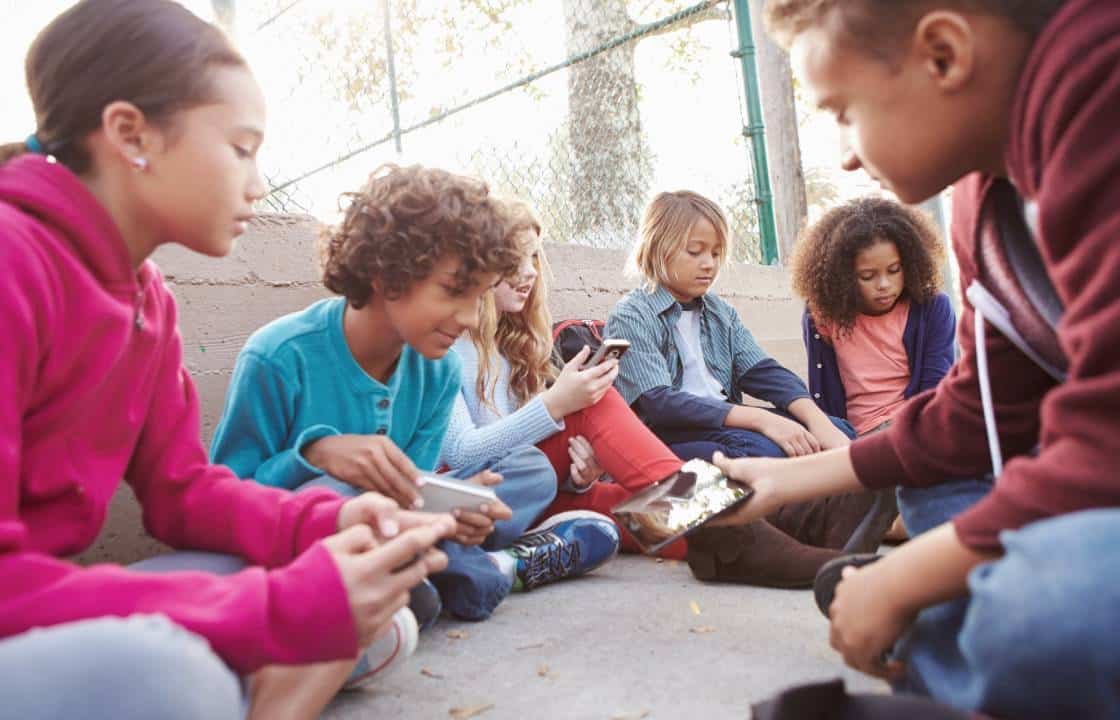
Ever feel like the younger generations are speaking a completely different language? You're not alone. From "rizz" to "skibidi," the rapid-fire evolution of youth slang, particularly among Gen Z and the emerging Gen Alpha, can leave even the savviest communicators scratching their heads. But far from being mere linguistic quirks, these terms offer a fascinating window into their worldviews, anxieties, humor, and how they navigate an increasingly digital landscape. This isn't just about knowing what a word means; it's about understanding the cultural currents that shape new generation nicknames and how they communicate.
This comprehensive guide is your essential decoder ring. We'll cut through the confusion, break down the most prevalent terms, and offer practical insights into the underlying cultural shifts driving this vibrant, ever-changing lexicon. Whether you're a parent, educator, marketer, or just genuinely curious, prepare to finally understand what the kids are saying.
At a Glance: Key Takeaways
- Slang is a Cultural Mirror: Youth nicknames and slang reflect generational values, humor, digital literacy, and anxieties.
- Internet is the Incubator: Social media platforms (TikTok especially) accelerate slang creation and spread, making terms go viral overnight.
- "Algo Speak" is Intentional: Many terms are coded language to bypass content moderation and express taboo subjects.
- "Brain-Rot" is a Meta-Commentary: Some "nonsense" slang is actually an ironic joke about the over-saturation of internet culture.
- Context is King: A term's meaning can shift, or be used ironically, requiring careful observation of how it's deployed.
- It's More Than Just Words: Understanding these terms helps bridge generational gaps, fostering empathy and better communication.
Decoding the Digital Dialect: Why Slang Evolves So Fast
Think back to your own youth. Slang always existed, but it often spread through friend groups, schools, or popular culture over months, even years. For Gen Z (born 1997-2012) and Gen Alpha (born 2012-present), the internet didn't just speed things up; it fundamentally changed the game. Social media acts as an ultra-efficient linguistic laboratory, allowing new words and phrases to emerge, spread globally, and become obsolete in weeks.
This rapid evolution is driven by several factors:
- The Pursuit of In-Group Status: Using specific slang is a powerful way to signal belonging. If you know the lingo, you're "in." If you don't, you're on the outside, which is why it can feel so exclusive.
- Content Moderation Bypass: The need to circumvent online filters has given rise to "algo speak," where users invent coded language to discuss sensitive topics (like "unalive" for "kill" or "corn" for "porn").
- Irony and Meta-Humor: A significant portion of Gen Z and Gen Alpha humor is ironic or self-referential. Some "brain-rot" slang, for example, is deliberately nonsensical, a commentary on the absurdity of online culture itself.
- Rapid Trend Cycles: Thanks to platforms like TikTok, sounds, memes, and phrases can become viral sensations overnight, leading to an accelerated life cycle for popular terms.
- Global Influence: The internet breaks down geographical barriers, meaning slang can originate from niche online communities or international fandoms (like "baka" from anime culture) and quickly spread worldwide.
Understanding these dynamics is key to truly grasping the language of the younger generations, rather than just memorizing definitions.
The Core Lexicon: Essential Gen Z and Gen Alpha Terms You Need to Know
Let's dive into the actual terms. We've categorized them for easier digestion, but remember, many words can carry multiple meanings or be used ironically depending on the context.
Expressions of Approval & Disapproval: The Vibe Check
Younger generations are masters of succinct judgment. These terms help them quickly convey if something is good, bad, cool, or cringe.
- Ate/eat: To have done something exceptionally well, often regarding an outfit or performance. "Her concert outfit? She ate." (From 4+4=8).
- Based: Holding independent, usually unconventional, views that are seen as cool or admirable. "He said what he thought, unbothered. So based."
- Bussin’: Excellent or extremely good, often used for food. "This burger is bussin'."
- Cook: Someone performing or doing very well. "Look at her go, she's really cooking in that game."
- Drip: Refers to a cool, stylish, or fashionable outfit or personal style. "That new jacket? Major drip."
- Green fn: An interjection used when someone does something cool or impressive, often ironically. "He just pulled off that trick? Green fn."
- Lit: Good, fun, or exciting. Can also mean being drunk or intoxicated. "That party last night was lit."
- Serve: Wearing a particularly stylish outfit. "You're really serving in that dress."
- Snatched: Very attractive, flawless, or perfectly styled. "Her makeup is absolutely snatched today."
- Cheugy: Something that is considered uncool, basic, or out of date. Often applies to millennial trends. "Live, laugh, love signs? So cheugy."
- Chopped: Ugly or aesthetically unpleasing. Can apply to a face, outfit, or general situation. "That haircut is a bit chopped."
- Chud: A physically unappealing person, sometimes used to describe a man with right-wing political views.
- Ick: A sudden feeling of disgust or repulsion towards someone you were previously attracted to. "He bit his nails? Instant ick."
- Low vibrational: Someone or something considered boring, negative, or bringing down the mood. "That energy is so low vibrational."
- Mid: Mediocre, average, bland, or unimpressive. Often used as an insult. "That movie was pretty mid."
- Ohio: Used to describe something weird, awkward, cringeworthy, or undesirable. The origin is often linked to memes about strange things happening in Ohio. "That entire situation was so Ohio."
- Slopcore: Describes the numerous cheesy, unsettling, AI-generated images, videos, and songs rampant on the internet.
- Sweat (adj. sweaty): A person who tries too hard, usually in video games, to the point of being annoying or overly competitive. "He's such a sweat in Valorant."
- Yapping: A presentational style of talking a lot or quickly without saying anything worthwhile. "He just keeps yapping about nothing."
Identity, Archetypes & Social Dynamics: Who's Who in the Digital Zoo
These terms classify individuals and describe social roles, often reflecting online communities or perceived gender dynamics.
- Alpha male: The dominant or leader male in a group. Often used literally or aspirationally.
- Beta male: A weaker, subservient male, often contrasted with an "alpha male."
- Chad: An attractive, often hyper-masculine, man; an "alpha male" archetype.
- Giga-Chad: An exaggerated "Chad," representing peak attractiveness and masculinity.
- Sigma male: An internet-created male classification as dominant as an alpha male but outside the male hierarchy, a lone wolf. Now often used ironically.
- Performative male: An insult for young men whose tastes, hobbies, and lifestyle are seen as a performance for societal approval rather than genuine interest.
- NPC: Short for "Non-Player Character" from video games. Used online to describe people who don't think for themselves or act predictably. "They just follow every trend, total NPCs."
- Wojack: The name of a style of internet drawings used to quickly stereotype someone or express an emotion.
- Tradwife: A woman who believes in traditional married gender roles, often embracing a homemaker lifestyle.
- Edgar: A variation of the Caesar haircut, popular among Hispanic males; also refers to the person who wears it, often associated with a certain style.
- Mason (or Mason 6-7 kid): A stereotypical male member of Gen Alpha, characterized by baseball-inspired fashion, an "ice cream" haircut, and repeating "brainrot" slang like "6-7."
- Twin: A best friend or someone you feel a strong connection with. "My twin just got here."
- Unc: Short for "uncle," used to describe slightly older people, often as a term of endearment or respect.
- Yunc: A variation of "unc," meaning "young uncle" or a young person who exhibits "uncle vibes" or a respected status among peers.
- HGS: Abbreviation for "home girls," used in comment sections or online to refer to a group of female friends.
Digital Living & Online Culture: The Internet's Language
The internet isn't just a platform; it's a context that shapes communication. These terms are deeply rooted in online experiences.
- Algo speak: Coded language used to bypass online content moderation. Examples include "regarded" for "retarded," "unalive" for "kill," "corn" for "porn," and "dih" for "dick." This is a crucial aspect of understanding how modern communication evolves under censorship.
- Brain-rot: Describes the overuse of stupid slang (e.g., "Skibidi") or the effects of being overly online, often implying a degradation of critical thought. "Scrolling TikTok for hours gives you brain-rot."
- Chat: An ironic joke referring to streamers addressing their chat windows aloud in real life. "No way, chat, he just did that!"
- Coworker-core: A description for unfunny or uninteresting things that appeal primarily to older people, often ironically used to describe mundane or "normie" content.
- Dead: Past tense of "died laughing"; finding something extremely funny. "That meme made me dead."
- Deadass: Seriously or truly. "I'm deadass not kidding."
- Delulu: Short for delusional. "She thinks he's going to propose after one date? She's delulu."
- Fax, no printer: Telling the truth or affirming a statement. "That's exactly right, fax, no printer."
- Gamer dent: The temporary indentation on hair or skin after wearing headphones for too long.
- Looksmaxxing: Maximizing one’s physical attractiveness through grooming, working out, and dressing stylishly. Part of a broader "-maxxing" trend.
- Mewing: A facial exercise meant to strengthen the jawline by placing the tongue against the roof of the mouth.
- Mogging: To be extremely more attractive than someone else, often intentionally or aggressively. "He was totally mogging everyone in that photo."
- Press F for respect: "F" in a chat window indicates respect, usually ironically, originating from a Call of Duty game prompt.
- What the sigma?: "What the hell?" – an ironic phrase stemming from "sigma male" culture.
- Sussy baka: A suspicious fool. A playful, often ironic, insult.
Relationships, Sex & Flirting: Modern Romance & Connection
Navigating attraction and relationships has its own unique vocabulary, often with terms that started in niche online communities.
- 304: Hoe. Derived from typing "304" on a calculator and turning it upside down.
- Baddie: A bad or wild girl, used as a compliment for someone confident and attractive. "She's a real baddie."
- Baka: Japanese word meaning “crazy” or “foolish,” used mainly in anime communities, often playfully.
- Bop: A girl who sleeps around. Also, a great song. "That new track is a total bop."
- Boysober: Sworn off sex, relationships, and/or dating.
- Boombayah: A euphemism for “having sex,” used online to bypass censorship.
- Brat: An adjective for a person who is edgy, imperfect, confident, messy, and likes to party. "She's got that brat energy."
- Cracked (sex): To have sex. Also means to be really good at something.
- Deriod: A combination of "dick" and "period," referring to men experiencing mood swings akin to menstrual cycles.
- Dwerking: A male-centric variation of twerking, characterized by rapid hip thrusts and dick shaking.
- Fujioshing: Women/girls enjoying media depicting romantic relationships between men, used mainly in online fandom communities.
- Glaze: To compliment someone excessively and annoyingly, often insincerely or for personal gain. "He's always glazing the boss for a promotion."
- Gooner / Goonette: A man/woman who engages in "gooning."
- Gooning: Extended masturbation without orgasm to achieve an altered state of consciousness.
- Gyatt or Gyat: Once an interjection like “god-DAMN” when seeing someone sexy, now widely refers to an “attractive booty.” "Look at that gyatt!"
- Hurkle-durkle: (Archaic Scottish) To lounge in bed after it is time to get up. Revived as a concept for enjoying slow mornings.
- Jelqing: The use of stretching or weights in an attempt to increase penis size.
- Mirror sex: Using a mirror to watch oneself have sex.
- Rizz: Derived from charisma; a person’s charm or seduction skills. As a verb, "rizz" or "rizz up" means attracting someone with your charisma. "He's got serious rizz."
- Serve cunt: To act in a powerfully and unapologetically feminine way; to slay. "She walked in and immediately served cunt."
- Sharking: Looking for people to hook up with.
- Venus tummy: When a woman's belly is a little fat, but not too fat, named for ancient Greek statues.
Everyday Actions & Feelings: The Grind and the Chill
From daily routines to emotional states, these terms color casual conversations.
- Bet: "Ok" or "Sure." Used to agree or confirm something. "Want to grab coffee? Bet."
- Bed-rotting: Staying in bed all day, also known as “lazing around,” often done for mental health or relaxation. "I'm just bed-rotting this weekend."
- Cap: A lie. "No cap" means "I'm not lying" or "for real." "That's cap, you didn't do that."
- Crash out: To have an intense emotional outburst, usually with impulsive behavior due to being overwhelmed or frustrated. "He might crash out if he doesn't get some sleep."
- Clock that: "I understand and agree."
- Fanum Tax: Stealing food from a friend without their permission. "Dude, you just took a Fanum Tax on my fries!"
- Finna: "I'm going to" or "I'm about to." "I'm finna head out."
- Fit: Short for "outfit." "Cute fit!"
- Fit check: Used to bring attention to one’s outfit to get an opinion on it. "Do a fit check for me."
- Jugg: To grab quickly or to steal. "I need to jugg a quick snack."
- JOMO: Acronym for “joy of missing out.” The opposite of FOMO. "I got that JOMO tonight, staying in."
- Just put the fries in the bag, bro: A way of telling someone to get to the point or to shut up.
- Rawdogging boredom: Consciously doing nothing, embracing boredom without distraction. "I spent the afternoon just rawdogging boredom."
- Sendy and “Let’s get sendy": "Sendy" describes a person prone to doing bold, wild things. "Let's get sendy" means "Let's get wild." Originates from rock-climbing slang "send it."
- Skrt: Onomatopoetic word for the sound of tires squealing upon acceleration, often used to express leaving quickly or moving fast.
- Yeet: To quickly and/or forcibly eject something. "Just yeet that paper in the trash."
- Vibe Check: Used to gauge someone’s mood, attitude, or the general atmosphere of a situation. "Time for a vibe check."
- We're so back: The situation is improving, things are looking up. The opposite of "it's so over."
- It's so over: The situation is hopeless, or a dramatic declaration of defeat. The opposite of "we're so back."
- IWEL: Acronym for "I wouldn't even lie" (sometimes IWL), indicating honesty.
Nonsense, Brain-Rot & Inside Jokes: The Absurdist Corner
Some slang isn't meant to make logical sense; it's about humor, community, and often, an ironic commentary on internet culture itself.
- 6-7 (or 67): (Gen Alpha brainrot) A nonsense phrase used to express a range of emotions or as a funny answer to numerical questions. No inherent meaning, just meme-driven.
- 6-7 Weekend: A specific, niche joke referring to a weekend where Saturday is the 6th and Sunday is the 7th of the month.
- Doi doi doi: (Brain-rot slang) A nonsense word pronounced with a hand to the mouth for a funny sound. Purely for comedic effect.
- Fuhuhluhtoogan: A nonsense word (reportedly from Baltimore slang) used so people will ask its meaning but never receive an answer. Often paired with "Jittleyang."
- Hewwo: An overly cute way of saying "hello," usually online and often ironically.
- Jit: A kid, used ironically online, often with a sense of playful dismissiveness.
- Jittleyang: A nonsense word (reportedly from Baltimore slang) used so people will ask its meaning but never receive an answer.
- SDIYBT: Acronym for "start digging in your butt, twin," a brainrot phrase with no meaning, just thought to be funny and absurd.
- Skibidi: (Gen Alpha) A nonsense word named after “Skibidi Toilet” videos, it has no specific meaning beyond ridiculing the overuse of slang itself or describing something chaotic/silly.
- Spoopy: An intentionally misspelled, cute way of saying "spooky."
Danger, Drugs & Illicit Activities: The Shadows of Slang
Unfortunately, some slang reflects the darker aspects of youth culture, including drug use and crime.
- Fent-fold: Describes the bent-over posture of people nodding on heavy drugs, particularly fentanyl.
- Geeker: Someone who uses a lot of drugs, often specifically stimulants.
- Pink cocaine: Also known as "pink snow," a powdered drug mixture usually containing ketamine, MDMA, meth, opioids, and other substances, often associated with hallucinogenic effects.
- Pole: A gun. "He keeps a pole for protection."
- Striker: Stolen or no-title car.
- Trap: Once referred to a house where drugs are sold, now also describes a form of music and any place where one works or hustles intensely.
- Twelve: Police. "The twelve are here!"
- Up pole: To raise a gun.
Miscellaneous & Niche: The Eclectic Mix
These terms cover a wide range of topics, from specific online communities to obscure references.
- 80/20 Rule: (Online incel spaces) The idea that 80% of women only date the "top" 20% of men. This is a harmful and widely debunked concept originating from misogynistic communities.
- Aura: A mysterious and cool demeanor. "She just has this effortlessly cool aura."
- Aura farming: Doing something cool without trying, or trying too hard to appear cool, often for online clout.
- Beez: "I am always," popularized in Nicki Minaj's 2012 track "Beez in the Trap."
- Bruzz: Bros. (Part of the -uzz family of slang words).
- Bubba truck: A lifted or modified pick-up truck, often associated with a certain subculture.
- Cake: Butt, especially an attractive one. "She's got some cake."
- Clanker: A slur for robots and AI agents pretending to be human.
- Coomer: A man who masturbates too often, often associated with online communities discussing pornography addiction.
- Doomer: A person who is overly negative, cynical, and believes society is in decline.
- Gleek: Squirting saliva from under the tongue.
- Glizzy: Hot dog. (Originally slang for a gun, then hot dog due to its shape.) "Want a glizzy at the game?"
- Heavy soda: Pop with extra syrup (high syrup-to-carbonated water ratio).
- Hozier yell: The sound made when experiencing a peak, climactic, or awe-inspiring moment, referring to the vocal style of singer Hozier.
- Learn Chinese: Sports slang directed at failing players, suggesting they might be sent to play in China to play in a lower league.
- My 90 in a 30: A song played while driving that inspires speeding.
- My steak is too juicy: An online insult suggesting someone is complaining about something they should be grateful for.
- Neurospicy: A different, often more positive, way of saying “neuro-divergent.”
- Noob: Someone new and inexperienced at an activity, especially in gaming or computing.
- Opp: Short for "opposition"; an enemy or rival.
- Reheating your own nachos: Performers or artists whose new works try to recapture what was good about their previous artistic output, often implying a lack of originality.
- Scorigami: (Football term) When the final score of an NFL game has never happened before in the league's history.
- Spawn point: Mother. (Based on video game starting points.)
- Surf Dracula: A hyper-specific phrase describing "prestige" television series, often implying that modern shows over-explain simple concepts.
- SYBAU: Acronym for “shut your bitch ass up.”
- Treatler (and Treatlerite): Online insults combining "treat" and "Hitler," referring to entitled users of delivery services who don't consider the hardships of the workers.
- TS: AAVE shorthand for "this shit," often used to just mean "this." "I'm not trying to do TS."
- Turnt: Excited or intoxicated, or excitedly intoxicated. "The club was turnt up."
- -maxxing: A suffix used with any word to indicate trying to improve that aspect (e.g., looksmaxxing, brainmaxxing).
- -uzz: A suffix used at the end of words (e.g., "bros" becomes "bruzz," "hoes" becomes "huzz").
- Zoomer Perm: A curly on top, short on the sides haircut popular among young people, typically Gen Z.
Navigating the Nuances: Beyond Just Definitions
Simply knowing what a word means is just the first step. To truly understand Gen Z and Gen Alpha nicknames, you need to appreciate the context and cultural undercurrents.
The Double-Edged Sword of "Algo Speak"
"Algo speak" is perhaps one of the most significant linguistic developments of the digital age. It highlights a cat-and-mouse game between users and content moderation algorithms. While some terms are used for innocent fun, others, like "unalive" or "corn," are explicitly designed to talk about violence or sexually explicit material without triggering automated filters. This isn't just about slang; it's about freedom of speech (or lack thereof) on corporate-owned platforms and the ingenuity required to navigate those constraints. It forces us to consider the ethical implications of digital censorship and the clever ways young people adapt.
The Irony & In-Jokes of "Brain-Rot"
Terms like "Skibidi," "6-7," or "doi doi doi" are often labeled "brain-rot" by older generations and even by Gen Z themselves. But this label misses a crucial point: much of this "nonsense" is self-aware. It's an ironic commentary on the overwhelming, often absurd, nature of internet culture. When a Gen Alpha kid says "Skibidi," they might be participating in the "rot" but also subtly satirizing it. These terms are less about literal meaning and more about shared experiences, in-jokes, and the communal experience of being "too online." They highlight a generation growing up with constant digital input, where the line between reality and meme blurs.
From Subculture to Mainstream: How Slang Spreads
The journey of a slang term from a niche online community to mainstream usage is incredibly fast now. A phrase might start in a specific gaming community, get picked up by a popular TikTok creator, turn into a soundbite, and then be re-contextualized a million times in different memes. This rapid dissemination means that meanings can shift, evolve, or even become completely ironic as a term gains wider traction. Keeping up means staying tuned into not just what words are being used, but where and by whom.
When Slang Goes Dark: Understanding the Underbelly
It's also important to acknowledge that not all slang is harmless. Terms like "80/20 Rule," "Coomer," or certain drug-related phrases ("Fent-fold," "Pink cocaine") point to darker corners of online culture. Understanding these helps identify harmful ideologies (like those from incel communities), recognize dangerous behaviors, or signal exposure to illicit activities. It's a reminder that beneath the playful surface of youth language, serious issues often exist.
Your Guide to Speaking the Language (or at least Understanding It)
So, how do you bridge this linguistic divide without sounding like you're trying too hard? The goal isn't necessarily to become fluent, but to foster understanding and communication.
Listen More Than You Speak
The best approach is observational. Pay attention to how young people actually use these words in conversation, on social media, and in their content. Who is using which terms? In what situations? What's the tone? Active listening will give you more context and nuance than any dictionary.
Context is King
As you've seen, many terms have multiple meanings, or their meaning can shift dramatically based on context, tone, and even the speaker's facial expressions. "Dead" can mean hilarious, but also actual death. "Cracked" can refer to sex or skill. Don't assume a single definition applies to every instance.
When in Doubt, Ask (Respectfully)
If you genuinely don't understand a term and it's impacting your ability to communicate, it's okay to ask. Approach it with genuine curiosity, not judgment. A simple, "Hey, I heard you say [term] – what does that mean?" can open up a conversation and show you're trying to understand their world. Just be prepared for an eye-roll if it's a super obvious or "brain-rot" term they don't even fully understand themselves!
Avoid Force-Fitting
The fastest way to sound inauthentic and alienate younger people is to shoehorn slang into your own conversations where it doesn't fit. Trying too hard to be "hip" often comes across as "cheugy." Authenticity trumps forced relevance every time. Use the words you naturally use, and let understanding come organically.
Bridging the Generational Gap: Why It Matters
Ultimately, understanding Gen Z and Gen Alpha nicknames isn't just about translating words; it's about translating worlds. When you grasp their slang, you gain insight into their humor, their values, their anxieties, and the unique challenges of growing up in an always-online environment.
For parents, it means better communication and a deeper connection with your children. For educators, it can inform teaching strategies and classroom dynamics. For marketers, it's essential for crafting authentic messages that resonate. For anyone, it fosters empathy and helps you appreciate the richness and adaptability of language itself. These terms are not just fleeting trends; they are markers of significant cultural shifts that will continue to shape our society.
Keeping Up with the Kids: Your Ongoing Strategy
The truth is, this guide is a snapshot. By the time you finish reading, new terms will have emerged, and others may have faded into obscurity. Staying "up-to-date" is an ongoing process, not a one-time achievement.
Here’s your actionable strategy for continuous learning:
- Be a Digital Observer: Don't be afraid to occasionally browse platforms like TikTok, Instagram Reels, or even Reddit forums popular with younger demographics. You don't have to engage, just observe the language in action.
- Engage with Media They Consume: Watching a popular streamer, listening to music, or even glimpsing the latest viral videos can expose you to current slang in its natural habitat.
- Maintain Open Communication: If you have younger people in your life, create an environment where they feel comfortable sharing their experiences and explaining their world to you. Their explanations are often the most genuine and useful.
- Embrace the Impermanence: Understand that slang is inherently transient. The goal isn't perfect fluency, but rather a willingness to learn and adapt.
The language of Gen Z and Gen Alpha is dynamic, creative, and endlessly fascinating. By approaching it with an open mind and a dash of curiosity, you’ll find yourself not just understanding their words, but understanding them, too.